Thinking about buying a rental in North Syracuse but unsure where to start? You want steady demand, realistic rents, and clear steps to evaluate each property with confidence. In this guide, you’ll learn how to read local rent data, what drives demand in the northern Syracuse suburbs, and exactly how to underwrite a potential deal. Let’s dive in.
Why North Syracuse appeals to investors
Location and access
North Syracuse sits just north of the City of Syracuse with quick connections to US‑11 and Interstate 81, which support easy commuting to major employment centers. This suburban setting attracts a mix of households who want proximity to jobs, schools, and daily amenities. Read more about the village’s location and history on the North Syracuse overview. (North Syracuse, NY)
Anchors and job growth
The Syracuse metro economy is anchored by education and health care, including Syracuse University and SUNY Upstate/University Hospital. That mix tends to support year‑round rental demand from students, medical staff, and local employees. A major catalyst is Micron’s planned megafab in the Town of Clay, a long‑term project that is expected to create thousands of jobs over multiple phases and ripple demand through nearby suburbs. (Syracuse metro) (Micron investment)
Affordability snapshot
At the village level, North Syracuse has about 6,739 residents and is roughly two‑thirds owner‑occupied, which means rental stock exists but single‑family ownership still defines the streetscape. The most recent Census estimate shows a village median gross rent near $995 per month. For context, Onondaga County’s median gross rent is about $1,108 and median household income is about $76,945. Use county numbers for broad affordability and village numbers for hyperlocal underwriting. (North Syracuse QuickFacts) (Onondaga County QuickFacts)
What rentals work in this market
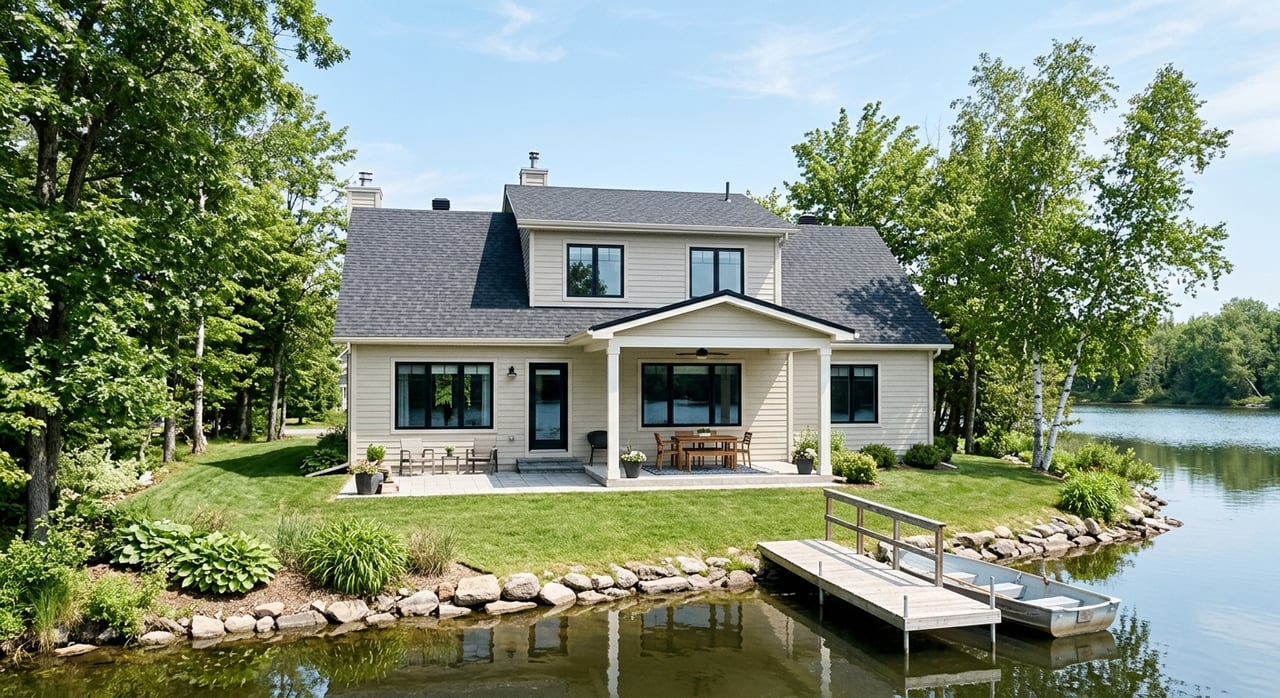
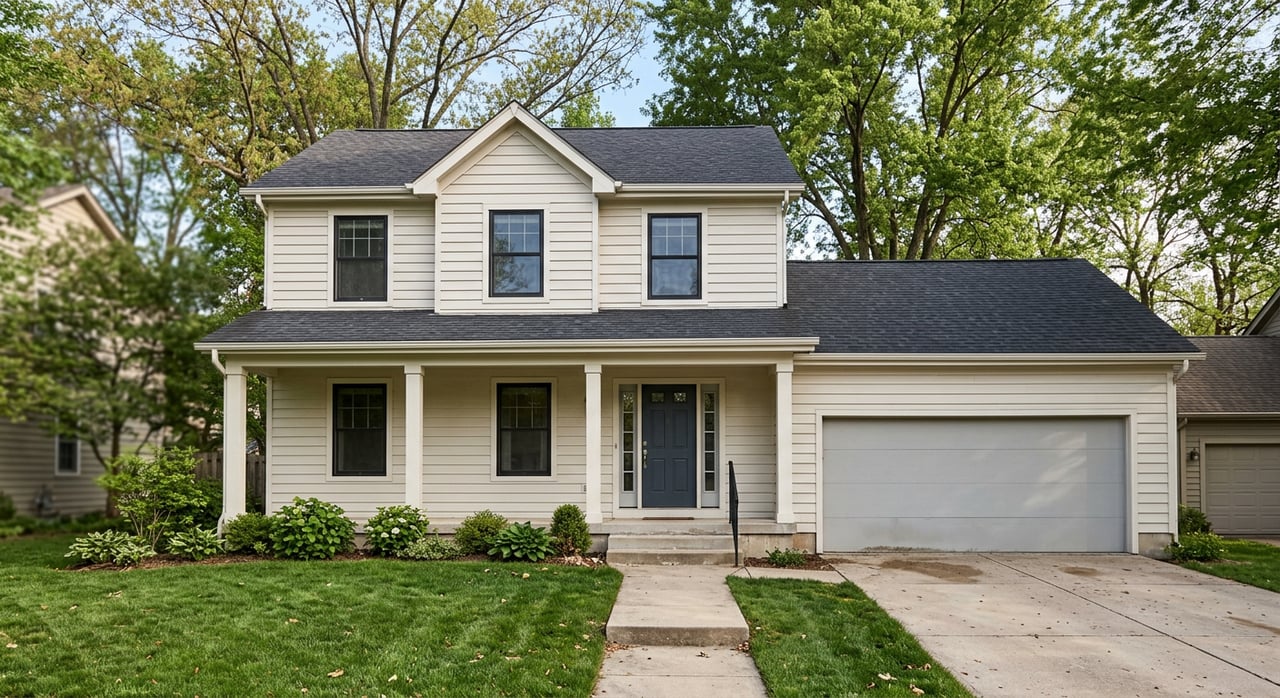
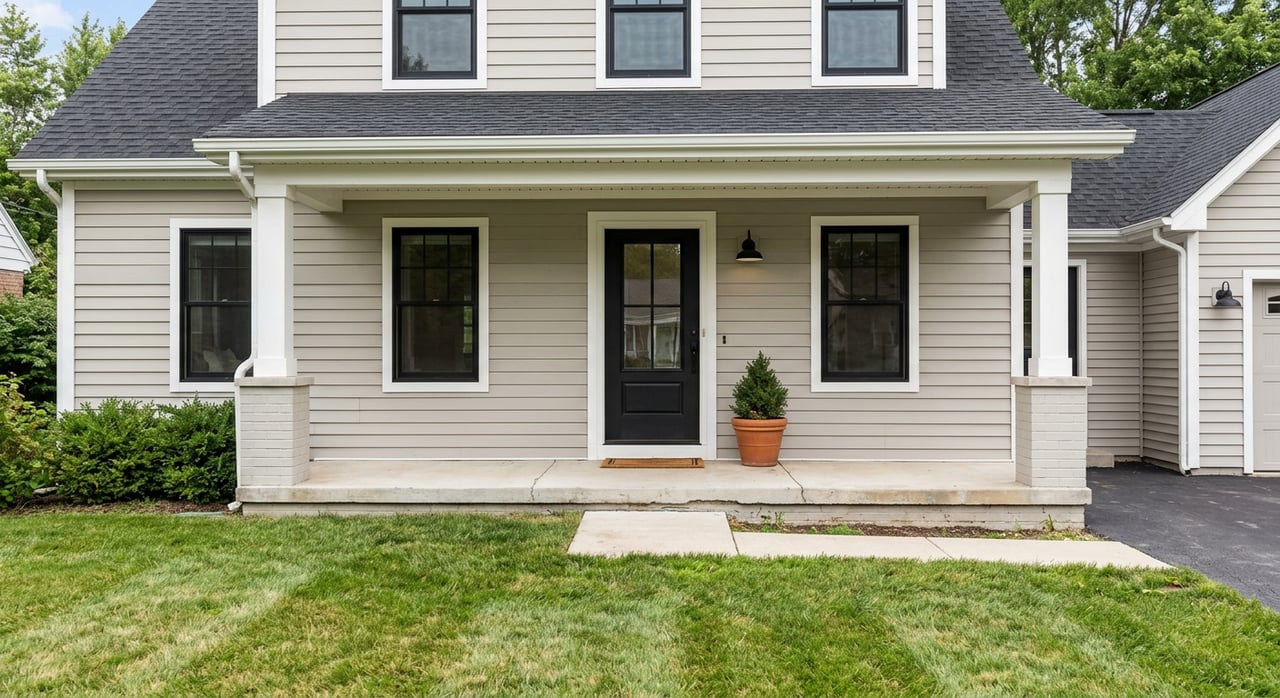
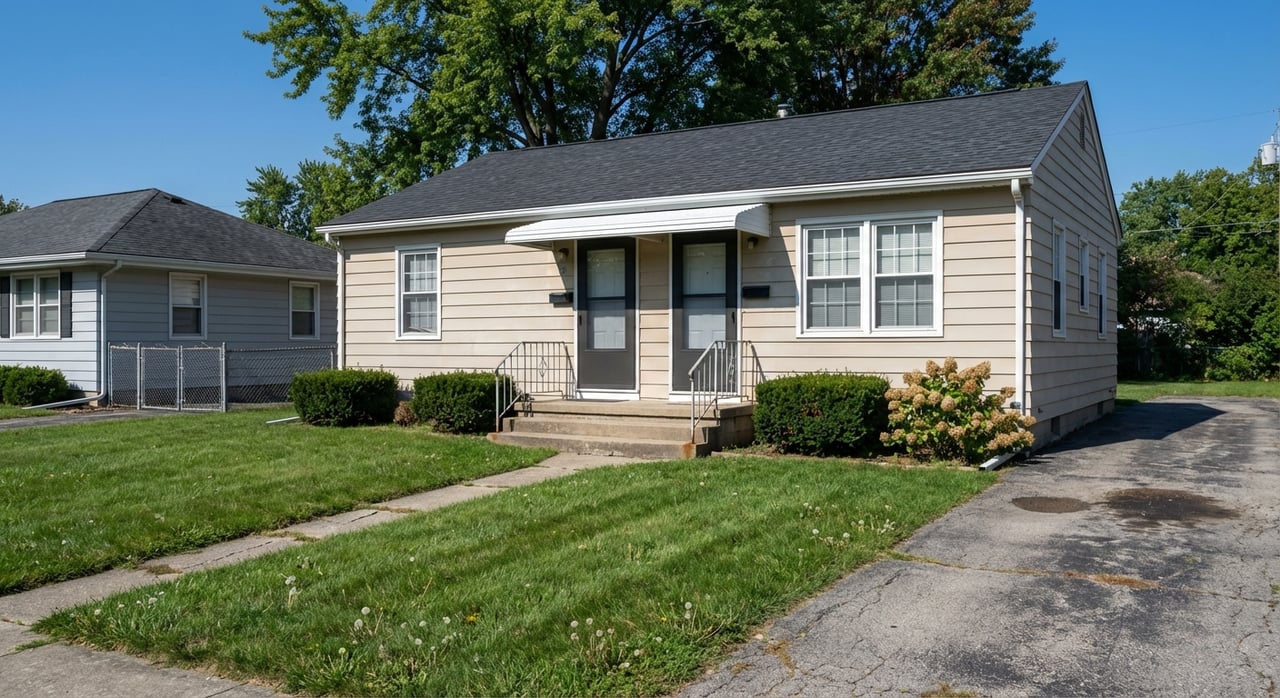
North Syracuse is often a single‑family rental and small multifamily (2–4 units) market. Investors commonly target 2–3 bedroom homes for long‑term tenants or duplexes and triplexes for better per‑parcel economics. Larger apartment complexes tend to appear in adjacent township areas rather than inside the village core.
Given the owner‑occupancy profile, many rentals here are either purpose‑built small multifamily or single‑family homes converted to rentals. That mix favors investors who value lower turnover and long‑term tenancy.
Current rents and how to read them
Public benchmarks
Census median gross rent for the village sits around $995. This is a backward‑looking, survey‑based number and is useful as a baseline. HUD’s Fair Market Rents for the Syracuse area place a 2‑bedroom in the low‑to‑mid $1,300s, which is a standardized 40th‑percentile metric often used for voucher programs and a helpful floor test for underwriting. (North Syracuse QuickFacts) (HUD FMRs)
Listing comps and variation
Live listing medians can look different from public surveys. Recent aggregator snapshots show a Zumper median around $1,658 across all active listings in North Syracuse, while other platforms with more single‑family homes in the feed report higher averages. Differences usually come from sample size, condition, and whether the inventory skews toward houses or apartments. Match comps to your exact property type and bedroom count for the best read.
Step‑by‑step: evaluate a North Syracuse rental
A) Property records and code
- Pull parcel details, assessed value, last sale, and current taxes from Onondaga County’s real property and tax portals to pinpoint true carrying costs. (Onondaga County overview)
- Call the Village of North Syracuse Code Enforcement to confirm certificates of occupancy, open violations, and permit history. Unpermitted work can be expensive to resolve. (Village site)
B) Rent comps by type
- Gather 5–10 recent asking rents within a 5–10 minute drive, sorted by unit type and bedroom count. Include single‑family homes, duplex units, and apartments in similar condition.
- Use at least two sources. Aggregators like Zumper provide quick medians, and HUD FMRs provide program benchmarks. Adjust for parking, laundry, utilities included, and renovations. (HUD FMRs)
C) Sales comps and value
- Pull 6–12 closed sales within the past 6–12 months that match size, age, and condition. Use your agent’s MLS resources or county deed records for verification.
- Check whether the asking price aligns with nearby solds and whether any value‑add potential exists to lift rent or reduce expenses.
D) Costs and taxes
- Verify current annual property taxes from the county roll and village tax collector; this is often your largest operating expense. (Onondaga County overview)
- Confirm who pays what: heat, electric, water/sewer, trash. Separate meters can change your expense ratio.
- Price insurance based on structure type, age, and any flood‑zone flags; use FEMA’s maps to screen for flood risk.
E) Rules and registrations
- Upstate New York is generally not under NYC‑style rent stabilization by default, but localities can act under state frameworks. Always confirm status with NYS Homes and Community Renewal and consult counsel on security deposits, timelines, and notices. (NYS HCR overview)
- Ask the village code office about any rental registration or periodic inspection requirements before you market a unit. (Village site)
F) Neighborhood checks
- Review police blotters or FBI Crime Data Explorer for incident trends. Avoid assumptions and use data.
- For family‑oriented demand, consult the North Syracuse Central School District’s public pages for calendars and updates. Keep language neutral and factual. (North Syracuse CSD update)
- Note access to highways, grocery, and health care. Proximity to I‑81 and US‑11 supports commuter demand. (North Syracuse overview)
Underwriting example: numbers to test
Here is a simple illustration using public benchmarks. Replace each input with your subject property’s real numbers.
- Example purchase price: $220,000.
- Expected rent (2‑bed example): $1,300 per month, consistent with area benchmarks such as HUD FMRs for a 2‑bed and some local listing comps.
- Vacancy: 6% starting assumption for a small single‑family rental.
- Operating expense ratio: 35% of effective gross income (includes taxes, insurance, maintenance, and basic landlord‑paid utilities if any).
- Financing: 75% LTV, interest about 6.5%, 30‑year amortization.
Worked math (rounded):
- Gross rent: $1,300 × 12 = $15,600.
- Less 6% vacancy: EGI ≈ $14,664.
- Operating expenses (35% of EGI): ≈ $5,132.
- NOI: ≈ $9,532.
- Debt service on a $165,000 loan at ~6.5%/30yr: ≈ $12,500 per year (about $1,040 per month).
Result: negative pre‑tax cash flow of roughly −$2,970 and a DSCR below 1.0. In today’s rate environment, you often need a lower purchase price, demonstrable value‑add to raise rents, a larger down payment, or creative financing to meet your targets.
Risks and what to watch
- Asking vs. achieved rents can diverge. Validate with multiple comps and property manager quotes.
- Vacancy varies by season and submarket. Underwrite conservatively until you confirm with field checks.
- Policy changes can affect operations. Monitor state actions and local meeting minutes for any rent‑regulation discussions. (NYS HCR overview)
- Large projects like Micron can shift timelines. Model low, medium, and high‑demand scenarios rather than a single forecast. (Micron investment)
Ready to explore opportunities?
If you want help selecting properties, pulling real comps, and running a clean underwriting model tailored to your goals, reach out. As a local educator‑advocate, I can line up showings, verify code and tax details, and create a step‑by‑step plan from offer to lease‑up. Schedule a Consultation with Krista Jones to get started.
FAQs
What should first‑time investors know about North Syracuse rentals?
- The village is about two‑thirds owner‑occupied, with a median gross rent near $995, so many viable deals are single‑family rentals or 2–4 unit properties; match comps by bedroom count and condition. (North Syracuse QuickFacts)
How do current rents in North Syracuse compare to the county?
- Village median gross rent is about $995, while Onondaga County’s is about $1,108; county median income is roughly $76,945, which helps gauge rent‑to‑income fit for typical households. (North Syracuse QuickFacts) (Onondaga County QuickFacts)
How might Micron’s project impact demand near North Syracuse?
- The planned megafab in nearby Clay is expected to add thousands of jobs over time, which can lift rental demand in the northern suburbs; model different timing scenarios to stay conservative. (Micron investment)
Is North Syracuse subject to rent stabilization rules?
- Upstate localities are generally not stabilized by default; check NYS Homes and Community Renewal for current status and speak with counsel about deposits, notices, and timelines. (NYS HCR overview)
Where can I verify taxes and permits for a property in the village?
- Confirm taxes via Onondaga County’s property and tax portals, then check the Village of North Syracuse Code Enforcement for permits, rental registration, and any open violations. (Onondaga County overview) (Village site)