Looking for a place where you can park the car, grab coffee, run a quick errand, and enjoy a park stroll without leaving the village? That is part of what draws people to Fayetteville, NY. If you are curious about what walkable village living really looks like here, this guide will help you understand where that lifestyle is strongest, what types of homes tend to support it, and what to keep in mind as you search. Let’s dive in.
Where walkable living is strongest
In Fayetteville, the most walkable setting is the village core around East Genesee Street, Limestone Plaza, and the historic hill above it. This area reads differently from a more spread-out suburban pattern because it brings together businesses, civic spaces, and older homes in a compact layout.
The village identifies Limestone Plaza as a lower-village business district with retail shopping, restaurants, and some residences. Canal Landing Park sits next to the plaza, and the area also connects to the Limestone Creek Greenway. Together, those features create a village center that supports short trips and everyday convenience.
Village planning materials also describe Fayetteville’s neighborhoods as walkable, with well-maintained, tree-lined streets and a traditional appearance. That matters because walkability is not only about what is in the business district. It is also about how the surrounding streets, sidewalks, and blocks feel when you move through them on foot.
What daily life can look like
If you want a more car-light routine, the village core offers a practical mix of uses. Official planning appendices note that Fayetteville’s business districts include restaurants and cafes, gift shops, banks, office uses, and personal services such as barber and beauty services.
That kind of mix makes it easier to combine errands with everyday life. You may be able to leave home, handle a small task, stop for food or coffee, and spend time outdoors without needing to make every trip by car.
For many buyers, that is the real value of village living. It is less about a formal walkability score and more about having useful destinations clustered in one compact area.
Parks and public spaces add to the appeal
Walkable living tends to feel stronger when there are inviting places to pause and gather. In Fayetteville, several public spaces help shape that experience.
Veterans Park and Washington Park
Veterans Park sits at the top of the village hill and is described by the village as a focal point of Fayetteville. It includes benches and walkways and serves as the setting for the annual tree-lighting and holiday celebration.
Washington Park is another nearby amenity with a large lawn, picnic tables, playground equipment, sandboxes, and a basketball court. The village also notes that it is within walking distance of Beard Park and the Fayetteville Free Library, which reinforces how connected the village center can feel.
Beard Park and community events
Beard Park is another major part of village life. The village says it hosts the annual Fayetteville Festival and is also used for summer concerts and movie events that are open to the community.
The village calendar highlights recurring events such as Party in the Plaza, the Memorial Day Parade, Fayetteville First Festival, and the annual Tree Lighting Ceremony. If you value a village setting with regular public events, Fayetteville’s core offers more than just a place to live. It also offers built-in gathering spaces and a calendar of shared traditions.
Library and historic character
The Fayetteville Free Library adds another anchor to the center of village life. It is located at 300 Orchard Street inside the historic Stickley Furniture factory, with the Stickley Museum on the second floor.
For buyers who care about place and character, that is a meaningful detail. A walkable area often feels more memorable when civic buildings, parks, and older architecture all contribute to the experience.
The greenway adds scenery, not a full trail system
The Ledyard Canal Greenway brings a natural element into the village center. The village describes it as a naturalistic corridor through the center of Fayetteville, passing multiple waterfalls and linking Beard Park, Grover Cleveland Honors Park, and Washington Park.
That said, the village also notes that the greenway is not established for recreational use at this time. So, it is best understood as a scenic corridor that adds character to the village core, not as a formal trail system for daily recreation planning.
Homes that best fit a walkable lifestyle
If you want to live near the most walkable part of Fayetteville, your home search may naturally focus on older housing stock. The historic core is dominated by older wood-frame single-unit homes on comparatively deep lots with narrow street frontage.
Many pre-1910 buildings sit close to the street, which helps create a more connected and visually consistent streetscape. In practical terms, homes near the village core often feel more tied to the sidewalk and street than homes in later suburban subdivisions.
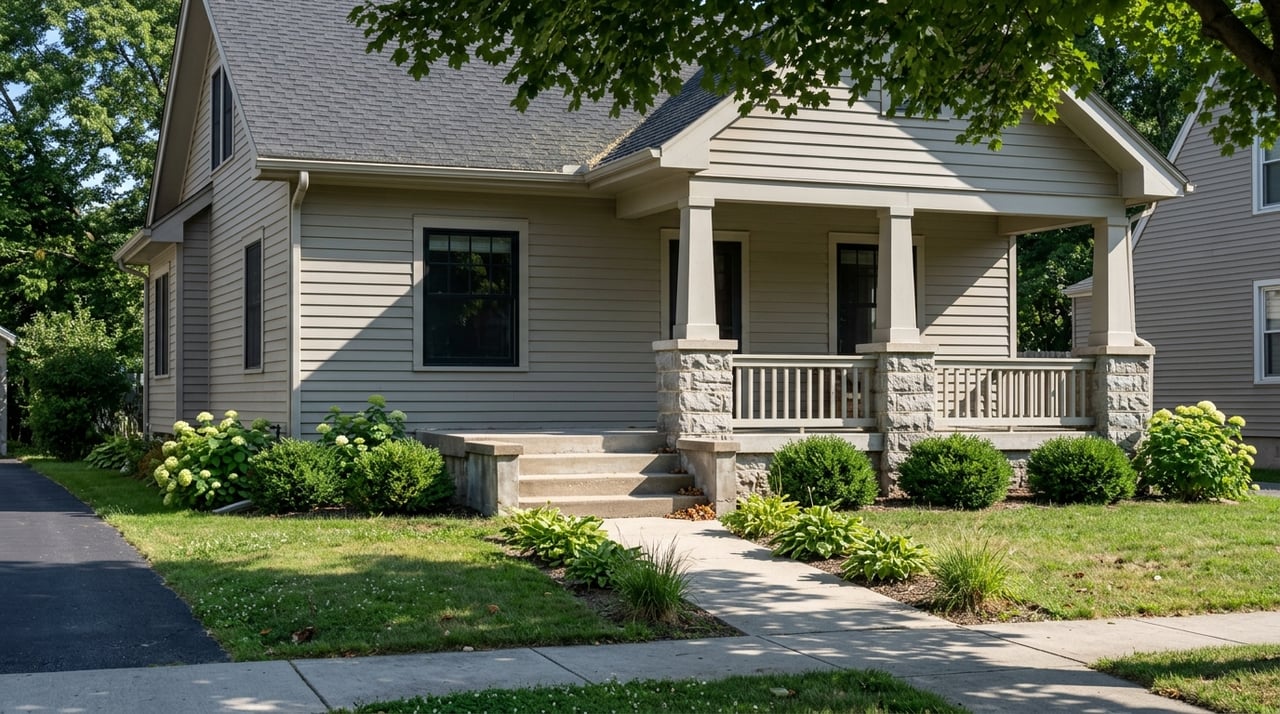
The village survey identifies a wide range of historic styles in and around the core, including Federal, Greek Revival, Italianate, Queen Anne, Stick Style, Craftsman, and Colonial Revival. If you enjoy older architecture, Fayetteville gives you a lot to explore in a relatively compact area.
Why older homes are often closer in
The village’s historic survey also connects local housing patterns to Fayetteville’s earlier working landscape. Modest worker housing appeared near former mills and industrial areas, especially around Mechanic Street and Center Street, reflecting a pattern where people lived within walking distance of work, school, and shopping.
That history still shapes the village today. In many cases, the streets with the strongest walkable feel are the same streets where the housing is older, more compact, and more closely tied to the original village pattern.
1920s homes just beyond the core
Walkable village living in Fayetteville is not limited to the oldest blocks. By the 1920s, the village added bungalows and American Four-Square homes on streets such as Brooklea Drive, Salt Springs Road, Highbridge, and North Mill Street.
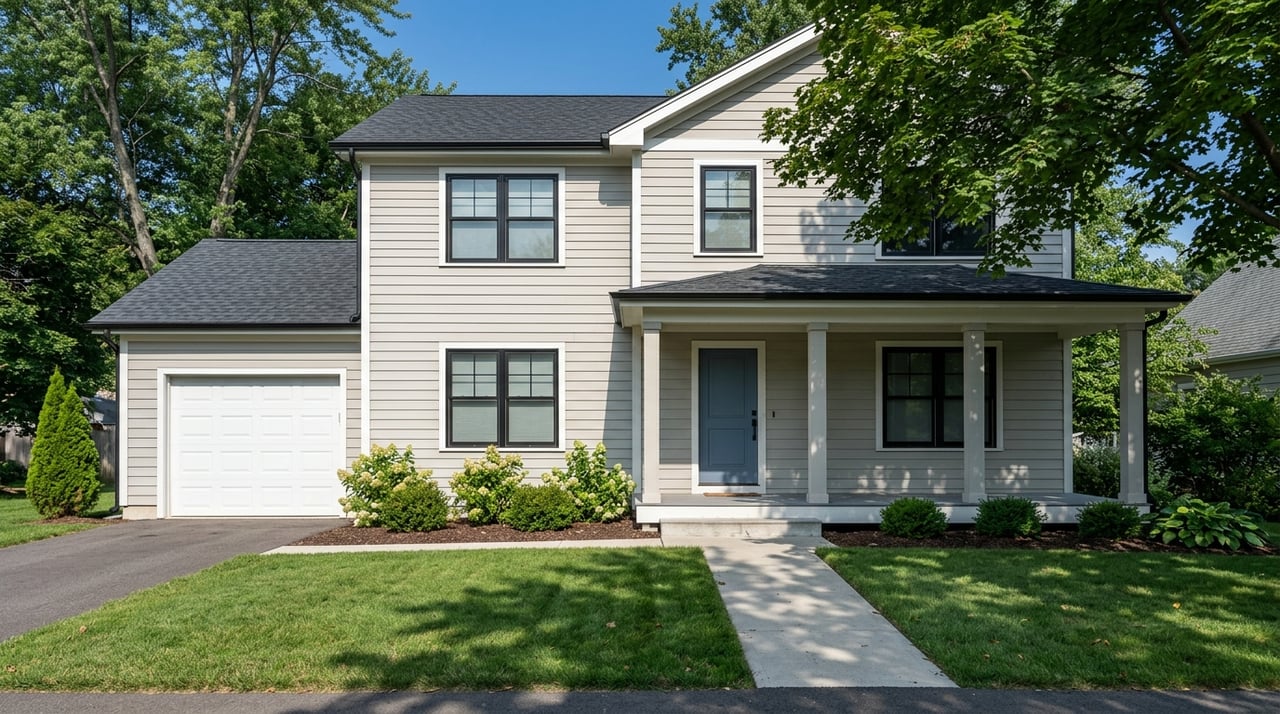
Brooklea Heights, for example, was platted with deep lots and narrow frontages, and two-story colonials also appeared at the north end of Brooklea Drive. These areas can still feel human-scaled and connected, even when they sit just outside the original historic district.
Where walkability starts to change
As you move farther from the village center, the housing pattern becomes more auto-oriented. The village survey describes post-World War II development with curving subdivision layouts, single-access developments, condominiums, and small apartment buildings.
That does not make those areas a poor fit for every buyer. It simply means they are generally less tied to the short-trip, on-foot rhythm that you find closer to East Genesee Street, Limestone Plaza, Washington Park, and Beard Park.
If walkability is high on your list, location inside the village matters a lot. Two homes in Fayetteville may offer very different day-to-day lifestyles depending on how close they are to the core.
A key detail for historic-district buyers
If you are considering a home in the village historic district, it is smart to understand the approval process for exterior changes. The village guidebook says the Historic Preservation Commission meets on the second Wednesday of each month, and village code gives the commission authority over certificates of appropriateness for work in the district.
For a buyer, that does not have to be a drawback. It simply means that preserving character is part of ownership in some parts of the village, and exterior projects may involve more review than they would in a newer subdivision.
Why this matters for buyers today
One of the clearest takeaways is that Fayetteville’s strongest walkable lifestyle is concentrated in the historic village core. That conclusion comes from the pattern of shops, parks, the library, and event spaces located within a compact area.
Another important point is that the homes best positioned for that lifestyle tend to be older and denser than homes farther out. If you picture a newer subdivision when you think of suburban living, Fayetteville’s village center offers a different option with more historic character and more daily destinations nearby.
The village is also thinking about housing diversity. In April 2025, Fayetteville announced certification as a New York State Pro-Housing Community and said its pledge includes support for multifamily, affordable, accessible housing, accessory dwelling units, and supportive housing.
That does not change the village’s historic character overnight, but it does suggest an active conversation about how housing can evolve over time. For buyers and sellers alike, that broader context can matter as you think about future inventory and long-term appeal.
If you are weighing whether Fayetteville fits your lifestyle, the best next step is to look closely at the specific pocket of the village, the age and style of the home, and how easily you can reach the places you expect to use most. If you want help comparing village-core options with other Central New York suburbs, Krista Jones can guide you through the details with clear, local insight.
FAQs
Where is walkable village living strongest in Fayetteville, NY?
- The most walkable area is the village core around East Genesee Street, Limestone Plaza, and the historic hill above it, where shops, parks, and civic spaces are clustered.
What amenities support a walkable lifestyle in Fayetteville, NY?
- Fayetteville’s village business districts include restaurants, cafes, gift shops, banks, office uses, and personal services, along with nearby parks, the library, and recurring community events.
What types of homes are common near Fayetteville’s walkable core?
- Homes near the core are often older wood-frame single-unit houses on deep lots with narrow frontage, including styles such as Federal, Greek Revival, Italianate, Queen Anne, Craftsman, and Colonial Revival.
Are newer Fayetteville neighborhoods as walkable as the village center?
- In general, areas farther from the village center are more auto-oriented, with later subdivision layouts and housing patterns that are less connected to daily walking access.
What should buyers know about Fayetteville’s historic district?
- Buyers should know that exterior changes in the historic district may require review by the Historic Preservation Commission through a certificate of appropriateness process.